Mushroom Ceramic Pet Bowl: Cute, Stable & Easy to Clean
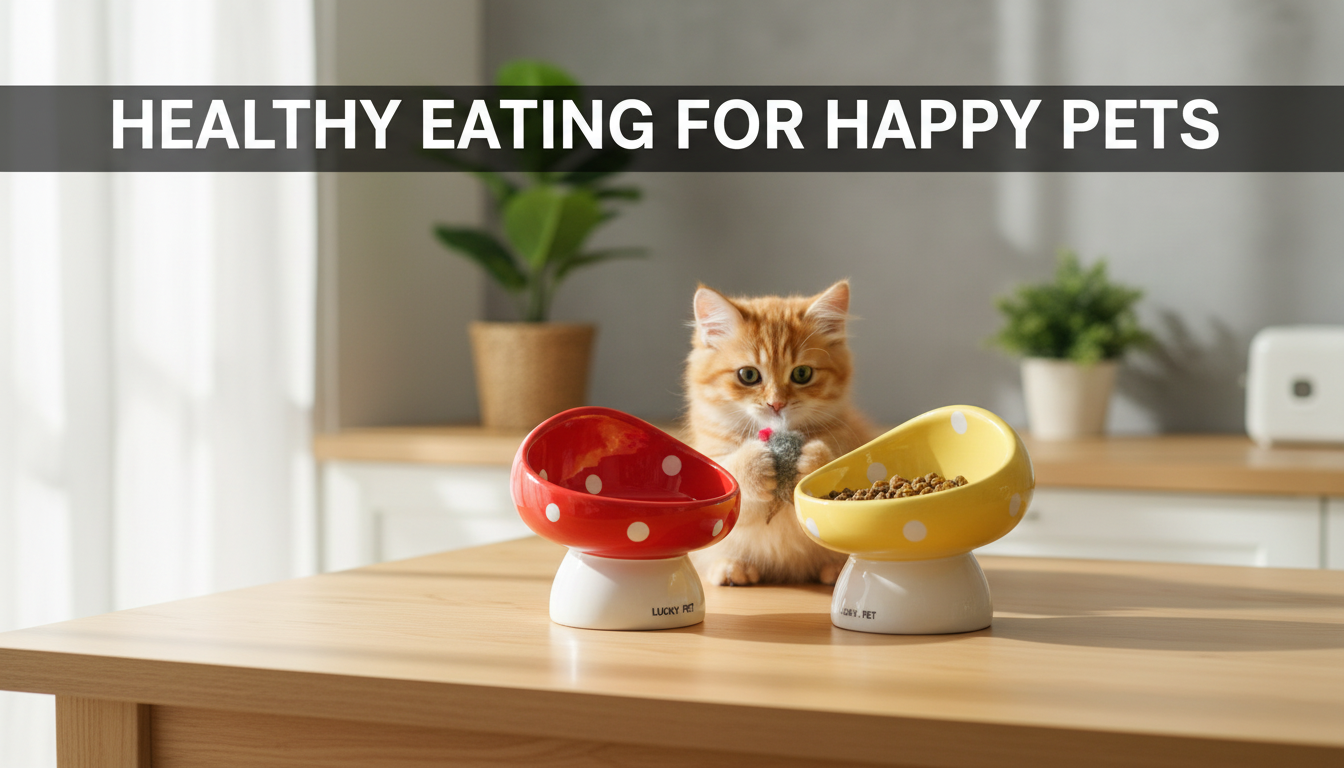
Mushroom-Shaped Ceramic Pet Bowl: Playful Design, Everyday Practicality
A mushroom-shaped ceramic pet bowl blends a cheerful, rounded look with the daily function pets depend on. Ceramic brings a sturdy feel, a smooth surface that’s easier to clean, and a style that can suit both modern and cozy interiors—without losing focus on comfortable, consistent meals for cats and small dogs. For more guidance, see More than mushrooms—what do the mycologists at Purdue study?.
What Makes a Mushroom-Shaped Bowl Different
Most pet dishes are purely functional, but a mushroom silhouette adds a softer presence to a feeding corner. The rounded form can look more like a home accessory than a utilitarian dish, which makes it easier to keep out in the open rather than tucked away. For further reading, see Intuitive Eating – Orion Magazine.
- Whimsical silhouette: A playful, rounded profile that feels more intentional in a lived-in space.
- Steady on the floor: Ceramic naturally adds weight, helping reduce sliding and tipping during enthusiastic meals.
- Smoother cleanup: Glazed surfaces are typically easier to wipe after wet food, gravies, or broth-based toppers.
- Decor-friendly: Works as a small accent in kitchens, mudrooms, or dedicated feeding nooks.
Why Ceramic Works Well for Daily Feeding
For many households, ceramic hits a sweet spot: it’s substantial enough to stay put and smooth enough to wash thoroughly. While no bowl material is perfect for every pet, glazed ceramic is a popular choice for routine feeding because it supports hygiene and day-to-day convenience.
- Non-porous glaze: A quality glaze helps limit odor retention compared with more porous materials.
- Temperature stability: Cold, wet food or cool water may hold temperature a bit longer than thin plastic.
- Comfortable rim feel: Many pets do better with smooth edges versus sharper, lightweight dish rims.
- Helpful for “pushers”: Heavier construction can be a plus for pets that scoot bowls across the floor.
Food safety habits matter as much as materials. For practical guidance on handling pet food and dish hygiene, see the FDA’s tips for safe handling of pet food and treats and the CDC’s pet food safety recommendations.
Fit and Placement Tips for Cats and Small Dogs
The “best” bowl setup depends on how your pet eats, where you place the station, and whether you’re serving dry kibble, wet food, or a mix. Small changes—like adding a mat or choosing a quieter location—often make feeding time calmer and tidier.
- Pick a stable surface: Place the bowl on a feeding mat or textured runner to reduce slipping and scattered kibble.
- Watch for whisker sensitivity: If your cat seems hesitant or paw-scoops food out, try a wider opening and keep food centered away from the sides.
- Support fast eaters: Serve smaller portions more frequently to reduce gulping and mess, especially with wet food.
- Encourage drinking: Keep water bowls away from litter boxes and heavy foot traffic so pets feel comfortable lingering.
Quick Guide to Choosing a Bowl Setup
| Pet type | What to look for | Placement notes | Helpful add-on |
|---|---|---|---|
| Cats | Wide opening; smooth rim; stable base | Quiet corner away from litter | Feeding mat for easy cleanup |
| Small dogs | Heavier bowl; easy-to-grip shape when moving | Near a water source, away from play zones | Non-slip mat to prevent sliding |
| Multi-pet homes | Distinct bowls per pet; easy-to-clean glaze | Separate feeding stations | Labeling or color-coding |
Care, Cleaning, and Everyday Maintenance
A ceramic bowl stays at its best with simple, consistent care. This is especially important if you serve wet food, refrigerated toppers, or anything with oils that can leave a film.
- Rinse after meals: A quick rinse after each serving helps prevent residue from drying onto the glaze.
- Wash gently: Use mild dish soap and warm water with a soft sponge to protect the finish.
- Dry fully: Let the bowl dry before refilling to keep kibble fresher and reduce surface film.
- Inspect regularly: Replace if you notice chips or cracks to avoid sharp edges and bacteria-trapping crevices.
Safety Notes for Bowls and Feeding Areas
Even a well-made bowl needs routine checks. Most feeding issues at home come down to placement, cleanliness, and small hazards that are easy to overlook.
For broader nutrition basics and routine feeding guidance, the AVMA’s pet nutrition overview is a helpful starting point.
Styling a Feeding Corner That Stays Tidy
Recommended Picks to Pair With This Bowl
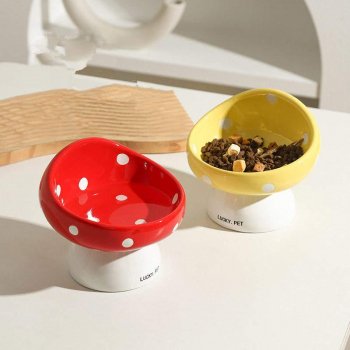
- Mushroom-Shaped Ceramic Pet Bowl: a decorative, sturdy daily bowl option for cats and small dogs.
- Healthy Paws, Happy Life | AI Pet Weight Tracking Guide for Smart Pet Owners: supports consistent monitoring of weight trends and routines that pair well with portion control.
- Cozy Travel Pet Carrier: useful for vet visits and travel days—packing a familiar bowl can encourage eating and drinking away from home.
- Waterproof Reflective Pet Hoodie: helpful for rainy walks; comfort outdoors can support steadier hydration and appetite afterward.
FAQ
Is a ceramic pet bowl better than plastic?
Ceramic bowls are often heavier and more stable, and glazed surfaces can be easier to clean thoroughly and less likely to hold odors. Plastic can be lightweight and convenient, but it should be replaced if it becomes scratched or damaged since wear can trap residue.
How often should a pet bowl be washed?
Wash food bowls daily, especially when serving wet food, and clean water bowls frequently since biofilm can build up over time. If multiple pets share a feeding area, washing more often helps keep the station fresher and more hygienic.
What should be checked before using a ceramic bowl?
Inspect for chips or cracks, confirm the glaze feels smooth, and make sure the bowl sits stably where your pet eats. If it slides, add a non-slip mat or place it on a textured surface to keep meals comfortable and contained.










Leave a comment