Pet Enrichment Checklist: Easy Play Plan for Happier Pets
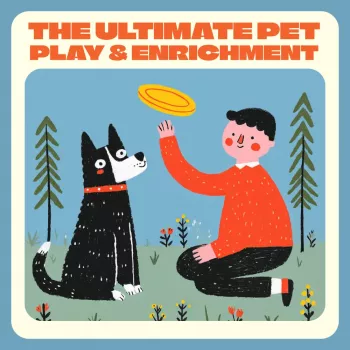
The Ultimate Pet Play & Enrichment Checklist: A Simple System for Happier, Calmer Pets
Play and enrichment are more than “extra” activities—they help pets burn energy, build confidence, reduce stress behaviors, and stay mentally sharp. A printable checklist makes it easier to rotate toys, plan quick sessions, and avoid buying duplicates. This guide breaks down what to include in an enrichment routine for dogs, cats, and small animals, plus how to keep play safe and budget-friendly.
What “enrichment” really means (and why it works)
Enrichment is anything that helps a pet engage their brain and body in ways that feel natural and satisfying—without creating chaos in the home. When it’s done well, enrichment fills “needs buckets” that otherwise spill over into nuisance behaviors.
- Mental work: activities that require sniffing, problem-solving, learning, and choice.
- Physical outlets: safe movement that matches species, age, and fitness level (short bursts often beat one long session).
- Natural behaviors: chewing, shredding, foraging, chasing, digging, climbing, hiding, and nesting—channeled into appropriate options.
- Predictability + novelty: a stable routine with small “new” elements reduces boredom without overwhelming sensitive pets.
- Common wins to watch for: better settle time, less destructive chewing/scratching, reduced attention-barking/meowing, improved training focus.
For general pet-care guidance and behavior basics, reputable starting points include the American Veterinary Medical Association (AVMA) and the ASPCA Pet Care.
The checklist categories that cover most pets’ needs
A solid enrichment routine usually includes a few repeatable categories rather than a huge pile of toys. Think “rotation,” not “more.”
- Food enrichment: puzzle feeders, snuffle mats, scatter feeding, lick mats, foraging trays, paper “parcel” wraps (species-appropriate).
- Chew and shred outlets: durable chews for dogs; safe shreddables for small animals; scratch-friendly materials for cats.
- Hunt and chase play: wand toys for cats, flirt poles for dogs, gentle chase games with rules, species-safe moving targets.
- Scent and search: “find it” games, scent trails, hidden treats, novel safe scents (avoid essential oils and irritants).
- Training as enrichment: short skill sessions (sit/down/target), cooperative care practice (touch paws, brief brushing), trick training.
- Comfort enrichment: calming routines, quiet decompression time, cozy hiding spots, predictable rest areas.
- Environmental enrichment: perches and vertical space for cats, tunnels and hides for small animals, rotating safe textures and surfaces.
Enrichment ideas by species (quick rotation guide)
| Type | Dogs | Cats | Small animals |
|---|---|---|---|
| Food puzzles | Stuffed rubber toy, snuffle mat, treat ball | Puzzle feeder, lick mat, treat “hunt” | Foraging tray, hay-based puzzles, treat scatter |
| Scent/foraging | Find-it in rooms, scent trail with kibble | Treat trail, paper bag forage (supervised) | Cardboard maze with pellets, hidden greens |
| Chew/shred | Safe chew rotation; supervised edible chews | Cardboard scratchers; safe chew toys | Hay, safe chew sticks; paper shredding |
| Movement play | Flirt pole, tug with rules, fetch variations | Wand play, short “stalk-pounce” sessions | Tunnel runs, gentle exploration time |
| Calm/comfort | Settle mat, massage, quiet decompression | Hidey box, window perch, routine naps | Covered hide, predictable handling breaks |
How to build a weekly enrichment plan without overthinking it
The easiest way to stay consistent is to use a repeatable rhythm, then swap tiny details to keep things fresh.
If you want a simple system that’s easy to stick to, The Ultimate Pet Play & Enrichment Checklist (digital download) makes rotation and planning a 2-minute routine—especially helpful in multi-pet homes where toys and treats disappear fast.
Safety checks that prevent most enrichment mistakes
For preventive-care best practices (including when to check in with your veterinarian), the AAHA pet owner guidelines are a helpful reference.
A budget-friendly enrichment toolkit (what to buy vs. what to DIY)
If food puzzles are becoming a daily habit, pairing treat use with a simple monitoring routine can help keep weight steady over time. Healthy Paws, Happy Life: AI Pet Weight Tracking Guide (digital download) is a practical add-on for households that want a clear, consistent way to track progress and spot trends early.
Printable checklist: keep it on the fridge, use it for shopping, and rotate toys smarter
For trips, vet days, or visiting family, bringing familiar enrichment can shorten the “settling in” period. A secure carrier helps keep the experience predictable and reduces accidental escapes; the Cozy Travel Pet Carrier pairs well with a small travel kit (a lick mat, a few treats, and one familiar toy).
Recommended downloads and helpful add-ons
- Start with a rotation plan: The Ultimate Pet Play & Enrichment Checklist (digital download) for quick daily structure and smarter shopping.
- Support long-term well-being: Healthy Paws, Happy Life: AI Pet Weight Tracking Guide (digital download) to balance treat-based enrichment with health goals.
- Make travel days easier: Cozy Travel Pet Carrier to keep comfort routines consistent on the move.
FAQ
How often should enrichment activities be offered?
Daily small sessions work well for most pets, using a mix of food, movement, and calm activities. Rotate options to keep interest high, and adjust the amount and intensity based on age and energy level.
Can enrichment replace walks or exercise?
Enrichment complements exercise rather than replacing it. Sniffing and puzzle work can reduce stress and boredom, but many dogs still need physical outlets—tailored to mobility, health, and veterinary guidance.
What if a pet gets frustrated with puzzle toys?
Lower the difficulty, limit the time, and end on an easy win before frustration builds. Gradually increase challenge as your pet learns the “game,” and reinforce calm engagement with simple rewards.









Leave a comment