Elevated Cartoon Ceramic Cat Bowl: Stand, Comfort & Care
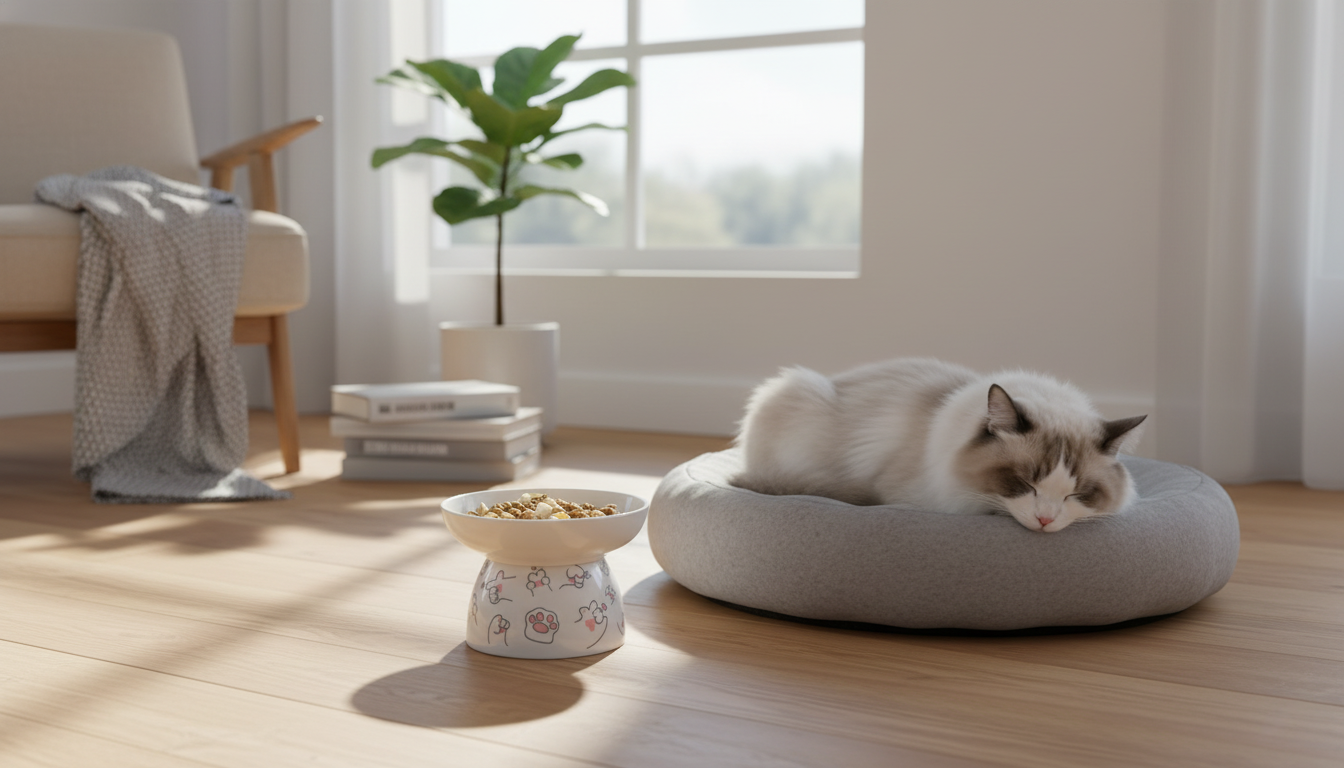
Mealtime is more than food—it’s posture, comfort, and cleanliness. An elevated ceramic bowl with a stable stand helps many cats eat and drink with less neck strain while keeping floors tidier. This guide covers what to look for, how to use it safely, and how the cute cartoon design fits into everyday routines.
What Makes an Elevated Cat Bowl Different
Unlike a standard dish that sits directly on the floor, an elevated cat bowl lifts the food or water closer to your cat’s natural standing height. That simple change can make a noticeable difference in how comfortably a cat approaches meals, especially if they tend to hunch over low dishes.
- Raised height can support a more natural eating posture, especially for cats that hunch over low dishes.
- Ceramic surfaces are typically non-porous and easy to clean, helping reduce lingering odors and residue.
- A dedicated stand can improve stability versus placing a loose bowl on improvised risers.
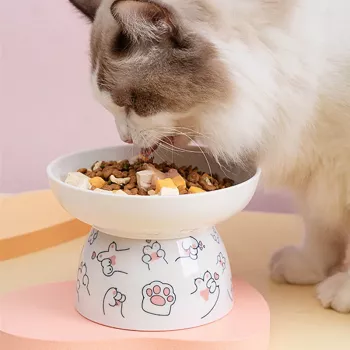
- Cartoon styling adds a playful look without changing the core function: a steady, easy-to-clean feeding station.
Why Ceramic Is a Popular Choice for Cats
Ceramic bowls are a staple in many cat households because they balance hygiene, weight, and everyday practicality. The glazed surface is typically smooth and easy to wash, which matters when wet food leaves residue along the rim or in corners.
- Helps avoid the plastic smell some pets dislike and may encourage consistent eating.
- Smooth glaze can make daily washing quicker and helps prevent buildup along the rim.
- Ceramic has a satisfying weight, which can reduce sliding during enthusiastic meals.
- Better suited for wet food cleanup than many lightweight materials.
For general pet care and feeding best practices, reputable resources like the American Veterinary Medical Association (AVMA) and the U.S. Food & Drug Administration (FDA) pet food safety guidance offer helpful, science-based tips.
High Stand Benefits: Posture, Digestion Comfort, and Cleaner Floors
A high stand does more than “look nice.” By changing the angle of the head and neck during eating, it can help some cats settle into a calmer, steadier routine—especially seniors or cats that move a bit stiffly first thing in the morning.
- Reduced bending at the neck can be helpful for senior cats and cats with stiffness.
- Elevated placement can keep kibble and splashes closer to the bowl instead of scattering as far.
- A stable base makes it harder for cats to push the bowl across tile or hardwood.
- Pairs well with a small feeding mat for easy wipe-down and extra traction.
If a cat has frequent vomiting, coughing during meals, or any sudden change in appetite, it’s worth checking in with a veterinarian. Educational cat health information is also available from the Cornell Feline Health Center.
Quick Comparison: Elevated vs. Standard Bowls
Different households (and different cats) call for different setups. Use the table below to match bowl style to your cat’s habits, your flooring, and your cleaning preferences.
Feeding Bowl Options at a Glance
| Feature | Elevated Bowl with Stand | Standard Floor Bowl |
|---|---|---|
| Eating posture | More upright, less neck bending | Lower posture, more bending |
| Stability | Often steadier due to stand/base | Can slide unless heavy or on a mat |
| Mess control | May reduce scatter and splashes | More likely to be nudged or tipped |
| Cleaning | Ceramic is easy to rinse and wash | Varies by material |
| Best for | Senior cats, fast eaters, tidy setups | Minimalist setups, travel, backups |
If vomiting, coughing, or discomfort persists, a veterinarian should evaluate for underlying issues.
Fit and Sizing Considerations
The “right” elevated bowl is the one that matches your cat’s body size and eating style. Too low and it defeats the purpose; too high and your cat may stretch awkwardly or back away between bites.
- Height: the rim should generally sit near the cat’s lower chest for a comfortable reach; too high can cause awkward stretching.
- Bowl capacity: choose enough volume for typical portions without overfilling; wet food benefits from a wider, shallow shape to reduce whisker contact.
- Base footprint: a wider stand tends to resist tipping better in multi-pet homes.
- Whisker comfort: if a cat avoids the bowl edge, consider a wider mouth or shallower depth.
Placement and Everyday Use Tips
Even the best bowl performs better with a smart setup. A stable spot reduces noise, prevents sliding, and makes daily cleanup faster.
Care and Cleaning for a Ceramic Bowl and Stand
Product Highlight: Cute Cartoon Ceramic Cat Bowl with High Stand
The Cute Cartoon Ceramic Cat Bowl with High Stand combines a playful cartoon look with an elevated feeding position for everyday comfort. It’s designed to feel like a dedicated “feeding station” rather than a dish that drifts around the kitchen, and the ceramic bowl helps keep cleanup simple after both wet and dry meals.
Helpful add-ons for daily routines
- Cozy Travel Pet Carrier for comfortable trips and calmer check-ins.
- Waterproof Reflective Pet Hoodie for added visibility and weather protection.
- Healthy Paws, Happy Life | AI Pet Weight Tracking Guide to help monitor trends and keep feeding goals consistent.
FAQ
Is a raised bowl better for cats?
A raised bowl can improve comfort for many cats by supporting a more natural posture and reducing neck bending, especially for seniors or cats with stiffness. The best height depends on the cat’s size and habits, and ongoing vomiting or discomfort should be discussed with a veterinarian.
How often should a ceramic cat bowl be washed?
For wet food, wash the bowl daily to reduce residue and odors. For dry food, wash regularly as oils can build up over time even if the bowl looks clean.
Can ceramic bowls cause whisker fatigue?
The bowl shape matters more than the material—narrow, deep bowls can press whiskers while wider, shallower bowls reduce contact. If a cat paws food out, eats only from the center, or seems reluctant at the bowl, switching to a wider shape can help.










Leave a comment