New Pet Behavior Plan: Prevent Chewing, Accidents & Fear
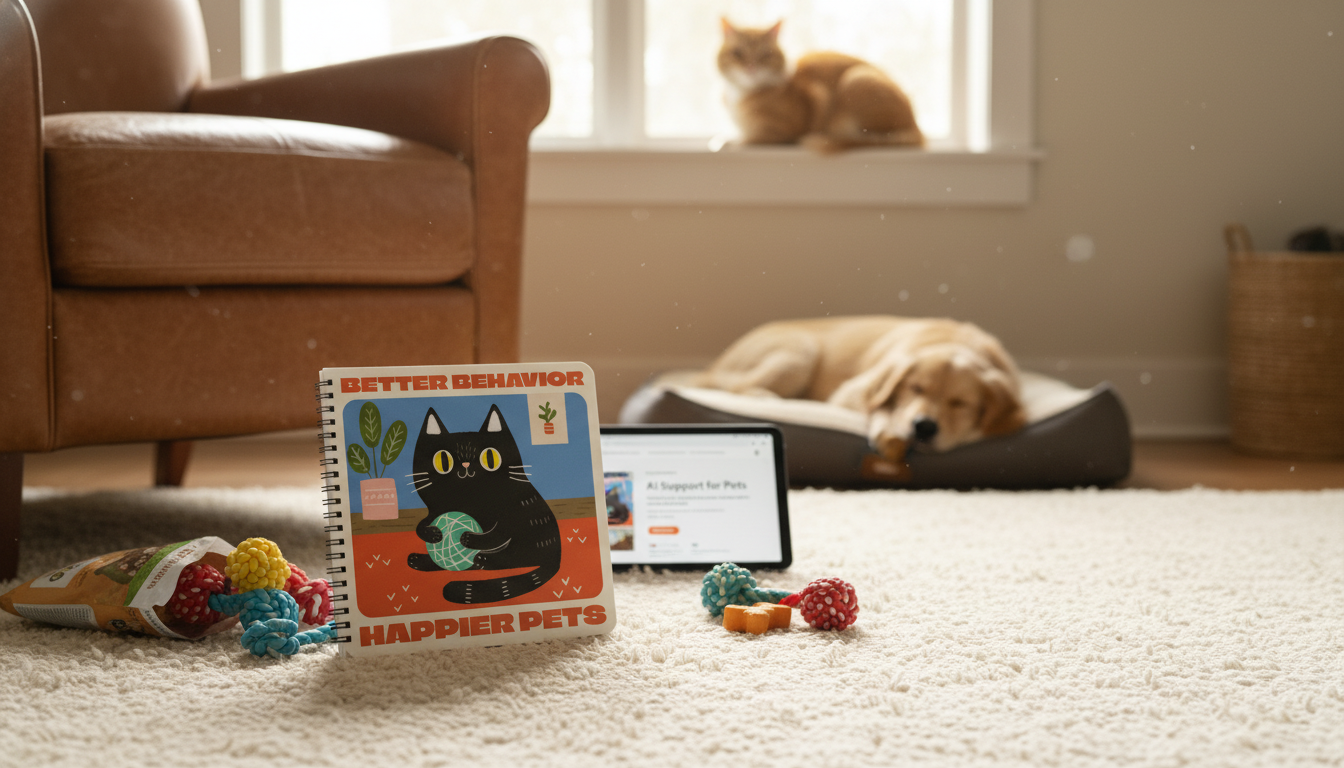
Better Behavior, Happier Pets: A Simple Plan for Preventing Problems From Day One
The first weeks with a new pet shape habits that can last for years. A clear routine, early skill-building, and timely support can prevent common issues like accidents, chewing, barking, scratching, and fear-based reactions. Below is a practical, day-by-day approach for new pet owners—focused on preventing problems before they become patterns—plus options for personalized help when challenges pop up.
Why behavior problems start early (and how to stop them before they stick)
Most “bad behavior” in new pets isn’t stubbornness—it’s stress, confusion, or accidental learning. New environments increase arousal and uncertainty, and that stress can look like hyperactivity, hiding, vocalizing, or destructive behavior. If rules are unclear, pets will “try everything” until something works: attention, food, escape, or comfort.
Reinforcement often happens by accident. Laughing at jumping, petting to stop whining, or chasing a puppy who stole socks can all teach, “That works—do it again.” Prevention is a two-part strategy: management (stop the behavior from being rehearsed) plus training (teach an easy alternative). Also remember that health, sleep, and nutrition influence behavior; sudden changes in house-training, irritability, or restlessness warrant a veterinary check.
Common early issues and the prevention-first response
| Issue | What usually reinforces it | Prevention move | Skill to teach |
|---|---|---|---|
| House soiling | Too much freedom; missed potty breaks | Crate/pen + schedule + reward outdoors | Go to door / cue-based potty |
| Chewing (dogs) / scratching (cats) | Easy access to tempting items | Block access + provide legal outlets | Trade/drop + use scratch post |
| Jumping up | Attention (even scolding) | Ignore + manage greetings | Sit for greeting / four paws on floor |
| Barking/meowing for attention | Talking back, eye contact, feeding | Pre-empt with enrichment; reward quiet | Settle on mat / quiet cue |
| Nipping/play biting | Hands as toys; rough play | Use toys; stop play when teeth touch skin | Gentle play + impulse control |
The first 72 hours: set up the home to make good choices easy
Think of the first three days as “designing the environment” so your pet can succeed without constant correction.
- Create a safe zone: a crate/pen for dogs, or a quiet room for cats with litter, water, a hiding spot, and bedding.
- Control access: close doors, use baby gates, and remove chewable cords, shoes, laundry, and unsafe plants.
- Stock legal behaviors: chew toys, food puzzles, and lick mats for dogs; scratchers, wand toys, and climbing options for cats.
- Start a predictable schedule: meals, potty/litter maintenance, short play, calm time, and sleep—repeated daily.
- Use a calm greeting routine: let your pet approach; avoid overwhelming touch; end interaction when they need space.
If you expect travel early on (vet visits, family obligations), make transport less stressful by practicing short, positive carrier sessions and choosing a secure option like the Cozy Travel Pet Carrier.
Weeks 1–4: a simple routine that prevents the most common problems
Daily structure reduces anxiety and attention-seeking behavior. Keep wake time, meals, and rest fairly consistent, and plan for “downshifts” throughout the day—short play followed by calm.
- Dogs: give frequent potty breaks (after sleep, play, and meals). Reward immediately after they finish outside. Indoors, supervise closely or use confinement so accidents don’t become a habit.
- Cats: keep litter boxes clean and easy to reach. In multi-level homes, add boxes on multiple floors, and place them away from loud appliances.
- Build default calm: reward your pet for relaxing on a mat/bed. Offer attention when they’re quiet, not when they’re demanding it.
- Prevent over-arousal: use short training sessions and stop play before your pet becomes frantic or mouthy.
- Rotate enrichment: boredom fuels destruction. Use sniff walks, puzzle feeding, training games, and safe chew time for dogs; hunting-style play and climbing opportunities for cats.
Because weight and appetite shifts can affect energy, restlessness, and focus, it helps to track basics consistently with a tool like the Healthy Paws, Happy Life weight tracking guide.
Core skills that solve 80% of new-pet challenges
Instead of teaching a long list of commands, prioritize a few skills that prevent the most common problems.
If you want a structured, ready-to-follow plan that combines prevention steps, training protocols, and guided troubleshooting, the Better Behavior, Happier Pets digital guide is designed for the first month and beyond.
Socialization and confidence-building without overwhelming your pet
For deeper guidance on humane socialization best practices, see the American Veterinary Society of Animal Behavior (AVSAB) position statements.
When behavior shifts: quick checks before training harder
For practical pet-care education and behavior basics, the ASPCA Pet Care resources and AAHA pet owner education are helpful references.
Personalized support: using AI as a coaching companion (and knowing its limits)
A practical digital guide for new pet owners
FAQ
How long does it take to stop common behavior problems in a new pet?
Management changes (like confinement, blocking access, and a tighter schedule) can reduce problems immediately. Training new habits often shows progress in 1–2 weeks, with more reliable results after 4–8 weeks of consistency. Fear and aggression usually take longer and may require professional support.
What should be taught first: potty training, crate training, or basic commands?
Start day one with management plus a potty routine, then build crate/pen comfort in short, positive sessions. Add 1–2 focus skills next (name response, recall/come for dogs, or settle on a mat) to make daily life easier without overwhelming your pet.
Can AI help with pet training, and is it safe to rely on it?
AI can help organize a plan, create schedules and logs, and troubleshoot sticking points based on your observations. It isn’t a substitute for veterinary care or a certified trainer/behaviorist when there’s aggression, severe anxiety, or a possible medical cause.










Leave a comment