New Kitten Starter Kit: Calm Routines for the First Month
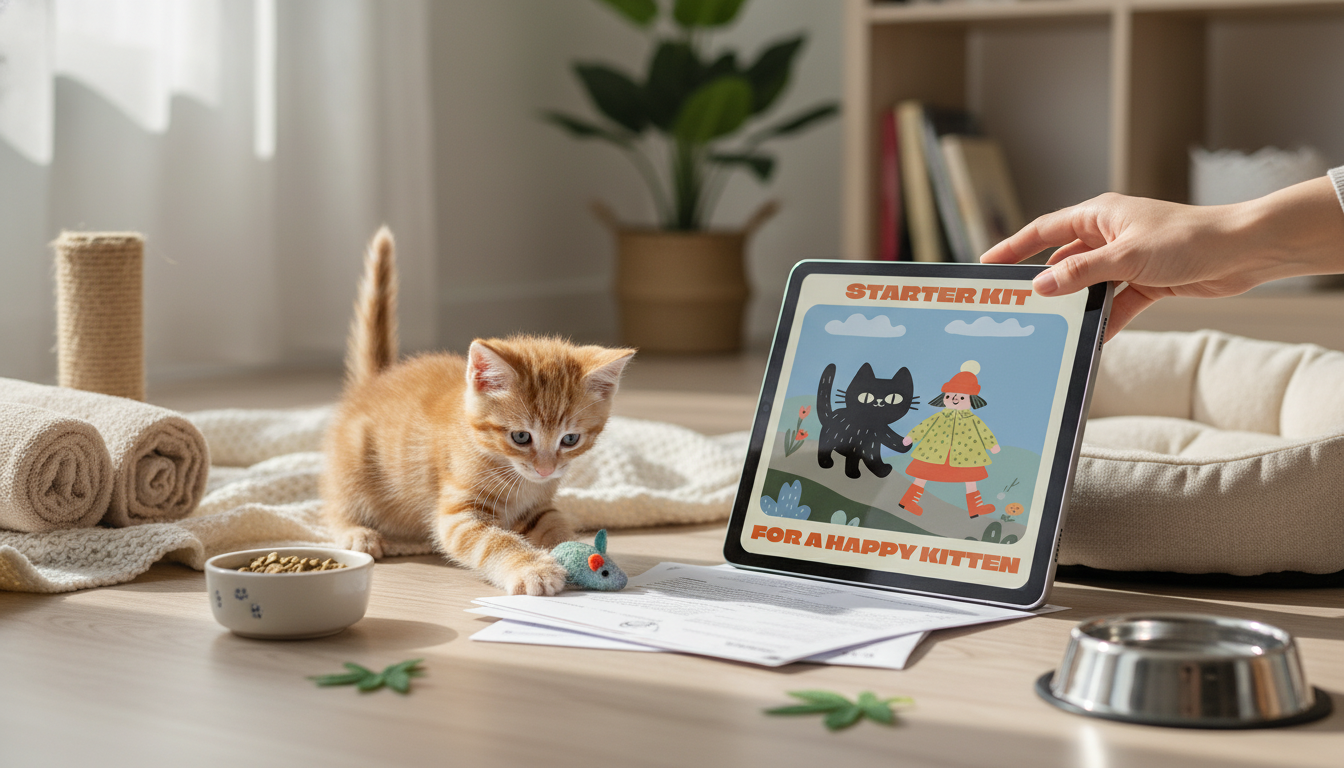
Kitten Kickstart: A Complete New Kitten Starter Kit for a Calm, Confident First Month
Bringing home a kitten is exciting, but the first weeks can feel like a whirlwind of feeding schedules, litter training, safe spaces, and vet basics. A simple, printable plan helps new cat owners set up the home, prevent common behavior issues, and build healthy routines from day one—without missing the small details that make a big difference.
What a New Kitten Starter Kit should help solve in the first 30 days
The first month is less about “perfect training” and more about creating predictability. When a kitten knows where to eat, sleep, play, and potty, confidence rises—and many frustrating habits fade before they become routine.
The New Kitten Starter Kit is designed to help new cat owners navigate this transition with ease.
- Reduce stress during the transition: predictable food, sleep, and play routines support confidence and appetite.
- Prevent common problems early: scratching, biting, hiding, litter box avoidance, and nighttime zoomies are often routine-related.
- Create a safe environment: kitten-proofing and “safe room” setup lowers injury risk and household damage.
- Cover health essentials: parasite prevention, vaccines, spay/neuter planning, and emergency readiness.
- Make progress measurable: checklists and trackers turn guesswork into clear next steps.
What’s inside the New Kitten Starter Kit digital guide
If you want one place to keep the “what do we do next?” answers, Kitten Kickstart digital guide and printable starter kit is designed around real first-month friction points: setup, routine, and gentle behavior shaping.
- Printable checklists for supplies, home setup, and first-week priorities.
- Step-by-step routines for feeding, litter training, play, and sleep to support calmer behavior.
- Quick-reference pages for kitten-proofing and safe room setup (great for apartments and multi-pet homes).
- Health planning prompts: vet visit notes, vaccination reminders, and questions to ask a clinic.
- Gentle behavior guidance: scratching alternatives, bite inhibition basics, and enrichment ideas.
- Digital format for instant access plus print-friendly pages for the fridge or pet binder.
Starter kit checklist: what to have ready before pickup day
| Category | Must-haves | Nice-to-have upgrades | Common mistake to avoid |
|---|---|---|---|
| Safe space | Carrier, small room or playpen, hiding spot, soft bedding | Pheromone diffuser (vet-approved use), white noise | Giving full-house access immediately |
| Litter setup | Unscented clumping litter (as tolerated), low-entry box, scoop | Second box, litter mat, sealed waste container | Placing box next to loud appliances |
| Food & water | Kitten-formulated food, bowls, fresh water | Water fountain, measuring scoop | Switching food too quickly (causes GI upset) |
| Scratching & play | Scratching post/pad, wand toy, small balls | Puzzle feeder, cat tree | Using hands as toys (teaches biting) |
| Grooming & health | Nail trimmer, brush, pet-safe wipes | Tooth-brushing starter kit, scale for weekly weights | Skipping early handling practice for paws/ears/mouth |
Home setup: the “safe room” method that speeds up settling in
A “safe room” isn’t isolating—it’s a confidence builder. It gives your kitten a small territory to learn fast: where the litter box is, where meals appear, and where it’s safe to rest.
- Start with one calm room: litter box on one side, food and water on the other, bed/hideout in a quiet corner.
- Limit hazards: cover cords, remove toxic plants, secure windows/screens, and block tight gaps behind appliances.
- Add positive scent cues: place a worn T-shirt (clean, unscented laundry) near bedding for comfort.
- Use vertical options early: a low cat tree or sturdy chair helps kittens feel secure without hiding under furniture.
- Expand territory gradually: open one additional area at a time once litter and eating are consistent.
For transport to the new home and the first clinic visit, having a reliable carrier ready from day one helps avoid stressful “chase and grab” moments. The Cozy Travel Pet Carrier for vet visits and safe transport can also live in the safe room with the door open, turning it into a familiar “den” instead of a scary object that only appears before outings.
A simple daily routine that supports litter habits, sleep, and calmer play
Kittens thrive on patterns. A steady rhythm reduces anxiety, channels energy into appropriate outlets, and makes it easier to spot changes that could signal stomach upset or illness.
- Morning: offer food, scoop litter, then a short play session to burn energy before nap time.
- Midday: small meal (if feeding multiple times), quick handling practice (touch paws/ears briefly, reward).
- Evening: longer play session followed by the biggest meal to encourage a longer sleep stretch.
- Nighttime: keep the environment consistent—dim lights, quiet toys away, and no “chasing games” close to bedtime.
- Track basics: feeding amounts, stool changes, and energy levels make the first vet visit more useful.
If you want a simple way to monitor growth over time, the Healthy Paws, Happy Life weight tracking guide makes weekly weigh-ins and notes easier to keep consistent.
Health basics to plan early (and what to ask the vet)
For trusted overviews of basic feline care, visit the American Veterinary Medical Association (AVMA) cat care resources, the ASPCA cat care guides, or AAHA pet owner resources.
Common first-month challenges and quick fixes
Printable planning: turning “What now?” into a weekly checklist
Who this digital starter kit is best for
FAQ
When should a new kitten see a veterinarian?
Schedule a new-kitten exam soon after bringing your kitten home, especially if you don’t know their full health history. The vet can guide vaccines, deworming, flea prevention, and next steps based on your kitten’s age and weight.
How many litter boxes should one kitten have?
A common rule of thumb is one litter box per cat plus one extra. In the first month, that extra box often prevents accidents, especially in larger homes or multi-level spaces.
How can nighttime zoomies be reduced?
Try a consistent evening routine: active play followed by the biggest meal, then a calm, dim bedtime environment. Kittens are naturally energetic, so improvement usually comes from repetition and predictable cues.











Leave a comment