Handmade Cotton Pet Leash for Soft, Steady Walks
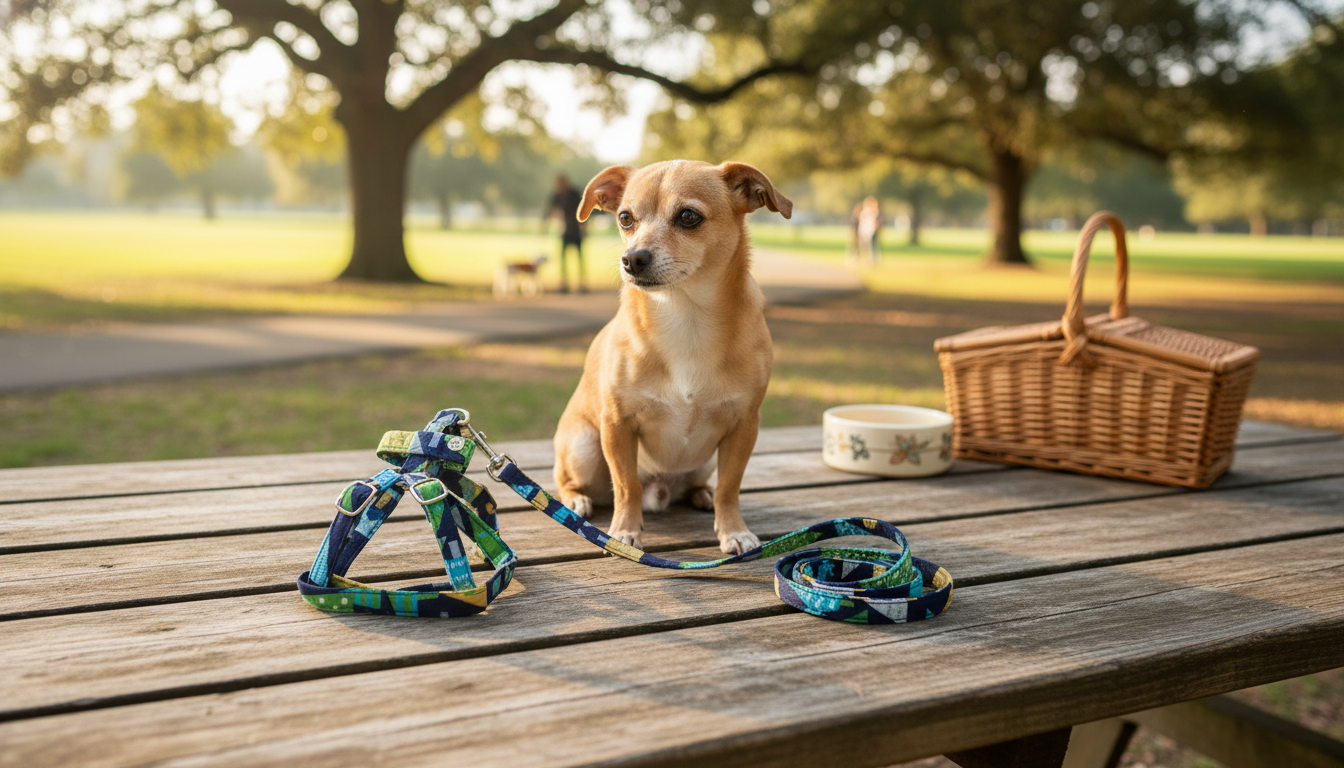
Handmade Cotton Pet Leash: Comfort, Control, and Everyday Style
A good leash should feel comfortable in the hand, stay reliable under tension, and suit daily walks without fuss. A handmade cotton leash brings a soft grip, a classic look, and a flexible feel that many pet owners prefer for neighborhood strolls, training sessions, and quick potty breaks. For calm walkers and handlers who value a gentler hold, cotton can make everyday outings feel smoother from start to finish.
What Makes a Handmade Cotton Leash Different
Cotton leashes stand out for their hand feel. Many synthetic leashes prioritize toughness and water resistance, but they can feel stiff or abrasive—especially if the line slides quickly through your fingers during sudden changes in pace.
- Soft-to-hold cotton fibers can reduce hand irritation during longer walks compared with some rougher synthetics.
- Handmade construction often emphasizes braiding, stitching, and finishing details that improve comfort and handling.
- Cotton offers a more natural look that pairs well with casual everyday gear.
- Flex and drape can make it easier to manage slack and keep a relaxed line during calm walking.
If you enjoy a leash that “settles” naturally in your palm instead of fighting to stay straight, cotton’s pliability is often the deciding factor.
Best Uses: Daily Walks, Training, and Calm Outings
Not every leash fits every lifestyle. Cotton tends to shine in everyday, moderate conditions—especially when comfort and feel matter as much as durability.
- Neighborhood walking: a steady, comfortable grip for routine routes.
- Loose-leash practice: a leash that’s easy to gather and release can support consistent timing and communication.
- Coffee shop or patio stops: cotton’s softer feel can be pleasant when holding the leash for extended periods.
- Indoor or low-noise environments: a quiet, flexible leash can be less distracting than stiff materials.
- Not ideal for heavy chewers: any fabric leash can be vulnerable if a pet bites and saws at the line.
For training support, structured guidance can help reinforce calm walking skills. The American Kennel Club and ASPCA both offer practical loose-leash resources: AKC loose-leash walking tips and ASPCA leash training guidance.
At-a-Glance: Cotton Leash vs Common Alternatives
The best leash material depends on how and where you walk. Comfort, cleanup, and weather exposure all play a role.
| Material | Hand feel | Best for | Trade-offs |
|---|---|---|---|
| Cotton (handmade) | Soft, flexible | Daily walks, comfort-focused handling | Can absorb moisture; may show wear if chewed |
| Nylon webbing | Varies (can be stiff) | Budget-friendly, easy care | Can cause rope-burn if it slips fast through hands |
| Leather | Supple with break-in | Durability, classic style | Needs conditioning; higher cost |
| Coated (Biothane-style) | Smooth, firm | Wet/muddy conditions, quick wipe-down | Less “soft” feel; can be slippery when wet |
Comfort and Handling Details to Look For
Two cotton leashes can feel completely different depending on how they’re built. A few design details can make day-to-day handling noticeably easier.
- Thickness and weave: a slightly thicker line can feel better in the palm and be easier to grip.
- Secure hardware: a sturdy clip and solid attachment point help maintain control.
- Smooth transitions: reinforced joins and clean finishing reduce snagging on hands or clothing.
- Length choice: shorter lengths can increase control; longer lengths can add freedom for sniffing (while still staying safe).
- A comfortable handle loop: helpful during sudden stops, curb crossings, or greeting distractions.
For busy sidewalks or close passing situations, holding the leash shorter (without wrapping it around your wrist) can improve control and reduce risk if your pet lunges. For broader safety guidance around handling and prevention, the AVMA’s overview is a useful reference: American Veterinary Medical Association—dog bite prevention.
Care Tips for Cotton Leashes
Cotton rewards basic upkeep. Keeping fibers clean and dry helps preserve the soft feel that makes cotton appealing in the first place.
Safety Notes for Better Walks
Handmade Cotton Pet Leash: Product Highlights
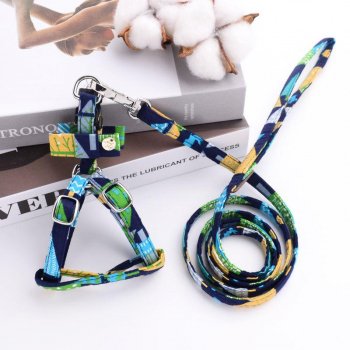
For a comfort-forward everyday option, the Handmade Cotton Pet Leash is designed to bring a softer grip and an easy, flexible drape to routine walking. It’s a practical match for calm walkers, relaxed neighborhood routes, and handlers who prefer a leash that feels gentle during longer holds.
Simple Pairings for Outings and Travel
- Rainy walks: the Waterproof Reflective Pet Hoodie can support comfort and visibility when sidewalks are slick and lighting is low.
- Day trips: the Cozy Travel Pet Carrier is a helpful option for small pets or pets that tire easily during longer outings.
- Wellness tracking: consistent monitoring habits can complement an active routine; the Healthy Paws, Happy Life | AI Pet Weight Tracking Guide supports structured check-ins over time.
FAQ
Is a cotton leash strong enough for a dog that pulls?
It can be, but strength depends on the leash’s thickness, stitching or braiding quality, and the hardware. For persistent heavy pullers, combine a sturdy leash with training and a well-fitted harness, and inspect the leash regularly—retire it at the first sign of fraying or weakening.
How should a cotton leash be cleaned?
Spot-clean with mild soap and water, rinse thoroughly, and air-dry completely. Don’t leave it wet in a bag or car, and check for fraying around the handle, joins, and clip area after it dries.
What leash length works best for everyday walks?
Shorter lengths can be easier for crowded areas and training, while a standard mid-length works well for most daily neighborhood walks. Longer lengths can suit open spaces where it’s safe and allowed, as long as local leash laws are followed and control is maintained.










Leave a comment