Cozy Plush Dog Bed: Choose Size, Support & Placement
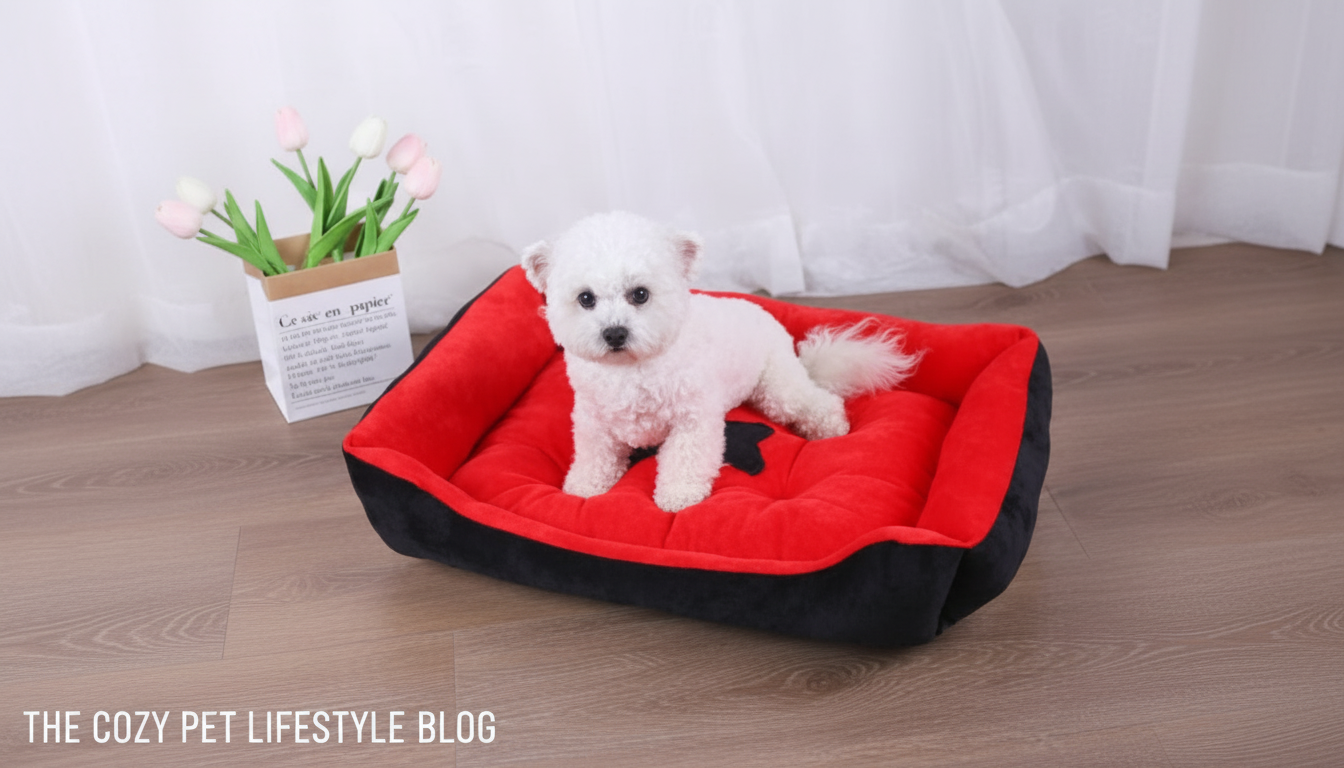
Cozy Plush Dog Bed: Soft Support for Deep, Calmer Sleep
A plush dog bed can do more than look cute—it can create a warmer, quieter resting spot that helps dogs settle faster, stay comfortable longer, and feel secure during naps and nighttime. This guide breaks down what to look for, how to pick the right size and placement, and how to keep a plush bed fresh over time.
What Makes a Plush Dog Bed Feel So Comforting
Comfort is a mix of texture, support, and predictability. Plush beds tend to “feel inviting” because they reduce the little frictions that keep a dog half-awake—cold floors, slippery surfaces, or pressure points that make frequent repositioning more likely.
- Warm, fuzzy surfaces: Soft fibers often feel warmer to the touch and can encourage curling up and relaxing, especially after outdoor time or in air-conditioned rooms.
- Cushion for pressure points: A padded base helps reduce pressure on elbows, hips, and shoulders—helpful for dogs who sprawl, switch sides, or “plop down” quickly when tired.
- A consistent sleep cue: A dedicated resting spot supports routine by giving your dog a predictable place to settle when the house is active.
For general rest and relaxation guidance, resources from the American Kennel Club (AKC) and American Veterinary Medical Association (AVMA) can be helpful references for pet owners building healthier daily habits.
When a Cozy Bed Helps Most
Almost any dog can enjoy a plush bed, but certain situations make the upgrade especially noticeable—often within a few days of use.
- Chilly rooms or drafty floors: Plush materials add warmth and reduce contact with cold tile or hardwood.
- Dogs that like to burrow: A fluffy top layer can satisfy nesting instincts and encourage calmer settling.
- Senior dogs or dogs with stiff joints: Extra cushion can make resting and getting up easier, especially after long naps.
- New homes, travel recovery, or schedule changes: A familiar-feeling bed can help dogs decompress and reduce pacing.
If your dog is adjusting to a change (new people, new noises, a new routine), keeping their rest area consistent is a simple way to add stability. The ASPCA dog care basics also emphasize the value of a safe, comfortable home setup.
Choosing the Right Size and Shape
Size decisions are easiest when you measure how your dog actually sleeps. A bed that’s “technically big enough” can still feel cramped if your dog likes to stretch out fully.
- Measure sleeping posture: Curled-up sleepers can size closer to body length; sprawlers benefit from extra room.
- Check weight and shoulder width: This helps avoid a bed that compresses too flat or feels narrow at the shoulders.
- Match the shape to habits: Round styles suit curlers; rectangular styles suit stretchers and “side sleepers.”
- Between sizes: Sizing up often improves comfort—especially for longer naps and nighttime sleep.
Quick sizing guide (starting point)
| Dog size | Typical weight range | Suggested bed inner length | Notes |
|---|---|---|---|
| Small | Up to 15 lb | 18–22 in | Good for curlers and crate use |
| Medium | 16–40 lb | 24–30 in | Add room for sprawlers |
| Large | 41–70 lb | 32–38 in | Prioritize thicker cushion to reduce flattening |
| X-Large | 71+ lb | 40+ in | Look for durable stitching and stable base |
Support, Cushioning, and Temperature
The “plush” part gets attention first, but the inner fill and how the bed holds its shape often matter more after week two—once the novelty fades and it becomes a nightly essential.
- Balanced fill: Too little can bottom out; too much can feel unstable for older dogs that prefer predictable footing.
- Seasonal comfort: If your dog runs warm, keep the bed away from direct sun and consider rotating between plush and cooler surfaces as temperatures change.
- Shape retention: A supportive bed should rebound after your dog stands up rather than staying compressed in the same spot.
- Calmer settling: For anxious sleepers, a snug, cozy surface can encourage curling and reduce restlessness.
Where to Put the Bed for Better Rest
Keeping a Plush Bed Clean and Fluffy
Cozy Plush Dog Bed: A Simple Upgrade to Daily Comfort
If you’re ready to create a dedicated “settle spot,” the Cozy Plush Dog Bed is an easy way to add soft comfort for everyday lounging and nighttime sleep. A consistent resting place can support calmer downtime and more predictable routines, whether you place it in a living room corner, bedroom, or quiet office nook.
Helpful Add-Ons for Comfortable Days Out and About
- Errands and vet visits: A structured carrier creates a familiar “den” feeling outside the home—consider the Cozy Travel Pet Carrier.
- Rainy or low-light walks: A protective outer layer helps keep pets drier and easier to spot—see the Waterproof Reflective Pet Hoodie.
- Long-term wellness: Tracking weight trends can support healthier routines and earlier detection of changes—browse Healthy Paws, Happy Life | AI Pet Weight Tracking Guide for Smart Pet Owners.
FAQ
How often should a plush dog bed be washed?
For heavy shedders, muddy adventures, or allergy-prone homes, washing weekly (plus quick spot-cleaning as needed) helps control odor and dander. Otherwise, a monthly wash is a practical baseline—just make sure the bed is fully dry before use to avoid musty smells.
Is a plush bed good for older dogs?
A plush bed can be a great option for older dogs because the softer surface and extra cushion can reduce pressure and make settling easier. Choose a bed with enough thickness to avoid flattening, and fluff/rotate it so support stays more even over time.
How do you choose the right bed size if your dog sprawls?
Measure your dog from nose to tail while they’re fully stretched in their usual sleeping position, then add several inches for comfortable movement. If your dog falls between sizes, sizing up typically prevents cramped edges and helps them stretch safely.









Leave a comment