Pet Rat Biting: Causes, Warning Signs & Gentle Fixes
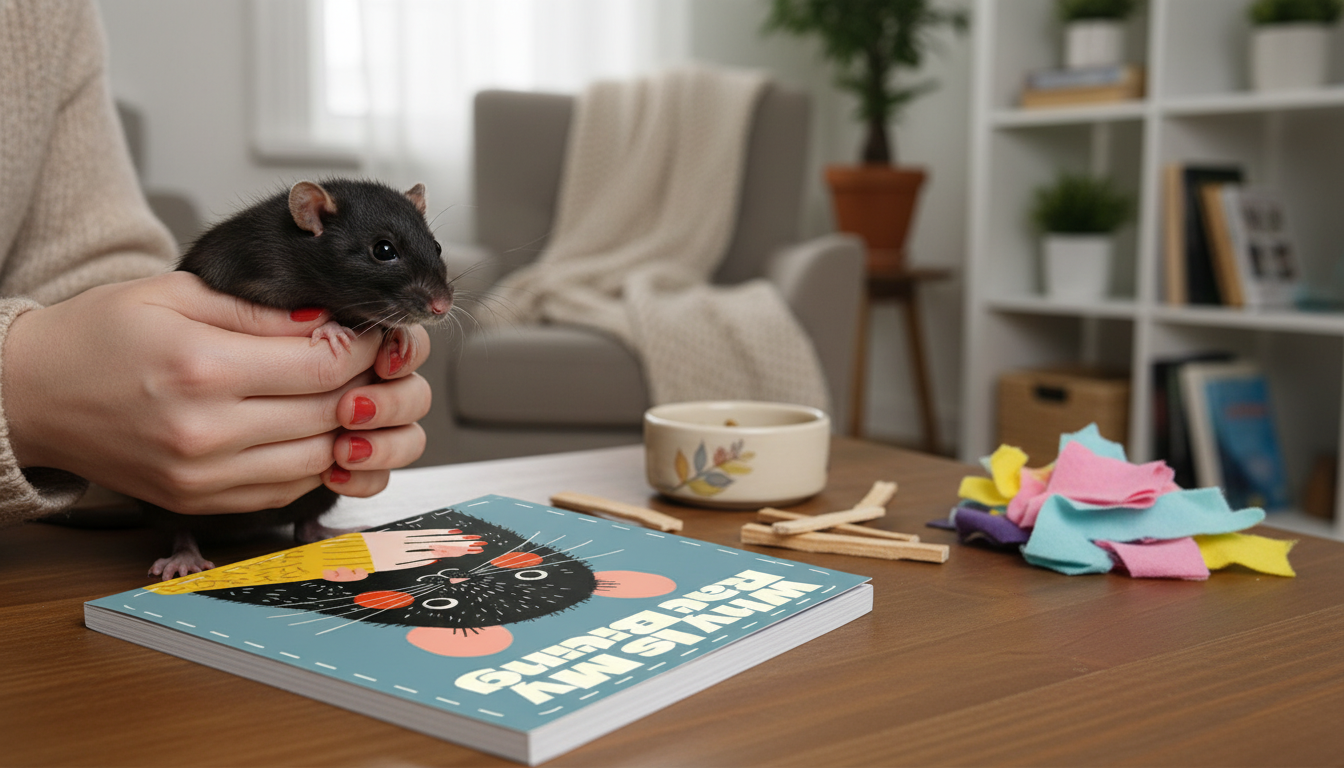
Why Pet Rats Bite: Causes, Warning Signs, and Gentle Fixes That Build Trust
Biting can feel sudden, but it’s usually a rat’s clear way of saying “I’m scared,” “I hurt,” or “I don’t understand what you’re doing.” With a few behavior clues and safer handling routines, most biting can be reduced quickly while improving your rat’s confidence and bond with you.
Start With Safety and a Quick Bite Check
If you’ve just been bitten, treat it like a real injury first, then shift to prevention.
- Wash the wound with soap and water, stop bleeding with gentle pressure, and watch for swelling, heat, or spreading redness.
- Pause handling for the moment; a stressed rat often escalates if forced to interact.
- Note what happened right before the bite: location, time of day, smells on hands, cage-door approach, and whether the rat was asleep.
- If the bite was deep, punctured near a joint, or the rat seems unwell, contact a medical professional and a vet for the rat’s health assessment.
For general, evidence-based guidance on staying healthy around small mammals, the CDC’s rodent safety page is a helpful reference.
Common bite patterns and what they usually mean
| Bite pattern | Likely message | First step to try |
|---|---|---|
| Quick nip with no broken skin | Testing, mild discomfort, or “back off” signal | Freeze hand, lower intensity, offer treat from a spoon |
| Pinch-and-hold or repeated nips | Fear, over-arousal, or boundary violation | End session, give space, restart with short calm interactions |
| Hard bite that breaks skin | High fear, pain, or feeling trapped | Check for pain/illness, adjust handling, rebuild trust with a plan |
| Bite only in the cage | Territorial or resource guarding | Use open palm/scoop, move to neutral area for handling |
| Bite when woken suddenly | Startle response | Announce presence, let rat wake fully, avoid grabbing sleeping rats |
What Rats Communicate Before They Bite
Many bites are preventable because rats usually “whisper” before they “shout.” The trick is recognizing the early signals and backing off before the rat feels cornered.
- Freezing, tense posture, ears angled back, or a “tight” face can signal rising stress.
- Sidestepping, backing away, or hiding is often a polite “no thanks” that should be respected.
- Huffing, bruxing with tension, or tail swishing can indicate agitation (not all bruxing is happy).
- Approaching with a stiff body and head-forward posture may mean defensive intent rather than curiosity.
- Learning the early signs prevents bites by allowing a calm pause before the rat feels forced to escalate.
The Most Common Reasons Pet Rats Bite
- Fear: Rough handling, loud environments, or unpredictable interactions—especially in new homes.
- Pain or illness: Respiratory discomfort, injury, arthritis, skin irritation, dental issues—anything that makes touch feel risky.
- Startle response: Being awakened, approached from above, or grabbed quickly.
- Territorial behavior: Defensiveness inside the cage, especially near favorite hides, food bowls, or nesting areas.
- Mistaken identity: Food smells on fingers, lotion scents, or inconsistent treat-offering can trigger nipping.
- Limited early socialization: Not enough gentle, positive human contact during early life.
- Hormonal aggression: More common in intact males; often shows as escalating, targeted biting and persistent agitation.
For care standards that reduce stress (and therefore reactivity), the RSPCA’s rat care guidance is a solid baseline.
Handling Mistakes That Increase Biting (and What to Do Instead)
- Avoid grabbing from above: Use a calm side approach and let the rat come to the hand.
- Use the “scoop” method: Slide one hand under the chest and support the back end with the other.
- Keep it short and predictable: Multiple 1–3 minute sessions beat one long stressful session.
- Don’t punish: Yelling, tapping the nose, or flicking increases fear and makes future bites more likely.
- Prevent food-mixups: Switch from finger-feeding to a spoon or flat palm for a while.
- Pick a neutral spot: For cage-only biters, handle on a bed, couch, or playpen instead of reaching into nests.
A Practical Plan to Reduce Biting in 7–14 Days
This approach is built around choice: your rat learns that calm behavior makes good things happen, and that you won’t force contact when they’re overwhelmed.
If you want a structured, step-by-step behavior plan with troubleshooting scenarios, Understanding Pet Rat Behavior & Biting Solutions (ebook) is a focused guide you can follow during those first two weeks.
Cage Setup and Daily Enrichment That Lower Stress
When Biting Might Be Medical or Hormonal
For an overview of common pet rat health concerns, the Merck Veterinary Manual is a reputable starting point (your veterinarian is still the best source for diagnosis and treatment).
A Deeper Behavior-First Approach for Persistent Biters
A small carrier can also help you move your rat to a neutral handling area without a stressful grab. The Cozy Travel Pet Carrier can support calmer, more consistent routines when you’re practicing voluntary “step in” handling.
FAQ
Why does my rat bite me but not other people?
Rats often react to differences in scent (food, soap, lotion), approach style, and hesitation. Use consistent routines, offer treats from a spoon or flat palm, and let your rat initiate contact until confidence builds.
Why is my rat biting only in the cage?
This is commonly territorial guarding or a “cornered” feeling near hides and nesting spots. Try offering treats at the open door, add more hides/exits, and handle in a neutral area using a scoop instead of reaching into nests.
Will a rat that bites ever become friendly?
Yes, many biters improve with choice-based trust building, predictable sessions, and zero punishment. If biting is sudden or escalating, a vet check for pain or hormonal causes can make the difference.











Leave a comment