How Often Should You Clean Your Cat’s Ears?
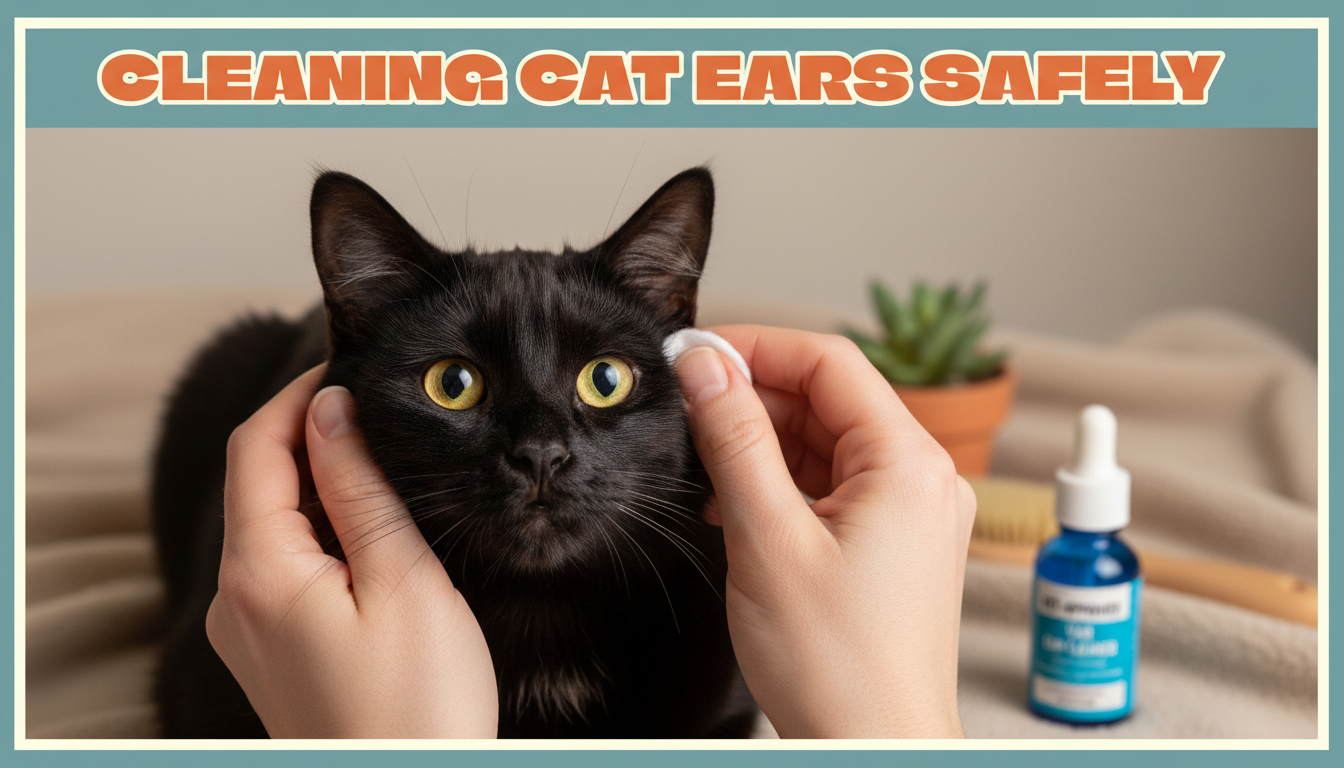
How often to clean cats ears
Most cats don’t need routine ear cleaning on a set schedule. For many healthy, indoor cats, a quick look at the ears every week or two is enough, and cleaning is only needed when you can actually see waxy buildup or debris. Cats that produce more wax, have allergies, spend time outdoors, or have a history of ear issues may need cleaning more often, but it should still be based on what you observe—not the calendar.
When cleaning is usually needed
A practical guideline is to clean your cat’s ears only when there’s visible, light-to-moderate buildup in the outer ear flap and you notice the ear looks dirty compared to normal. If your cat’s ears look pale pink, relatively odor-free, and your cat isn’t scratching or shaking their head, it’s usually best to leave them alone.
When to avoid cleaning and call a vet
Skip at-home cleaning if you notice a strong odor, dark “coffee ground” debris, swelling, redness, discharge, bleeding, or if your cat seems painful when you touch the ear. Frequent head shaking, persistent scratching, or one ear looking worse than the other can signal infection, mites, or inflammation—problems that need diagnosis and the right medication, not more cleaning.
Why over-cleaning can backfire
Cleaning too often can irritate the ear canal, strip natural oils, and encourage more wax production. It can also push debris deeper if cotton swabs or aggressive wiping are used. The goal is gentle maintenance of the outer, visible areas only—never digging into the canal.
A simple routine that works for most cats
Do a quick ear check every 1–2 weeks. If the ear looks clean, stop there. If you see mild wax, clean as needed, then return to check-only mode. For step-by-step guidance on safe technique and situations where cleaning should be skipped, visit this guide on cleaning your cat’s ears safely.
FAQ
What are signs my cat has an ear infection?
Common signs include a strong odor, redness or swelling, discharge, frequent head shaking, and intense scratching. If your cat seems painful or one ear looks noticeably worse, a veterinary exam is the safest next step.










Leave a comment