Puppy Feeding Routine Checklist: Daily Schedule + Printable
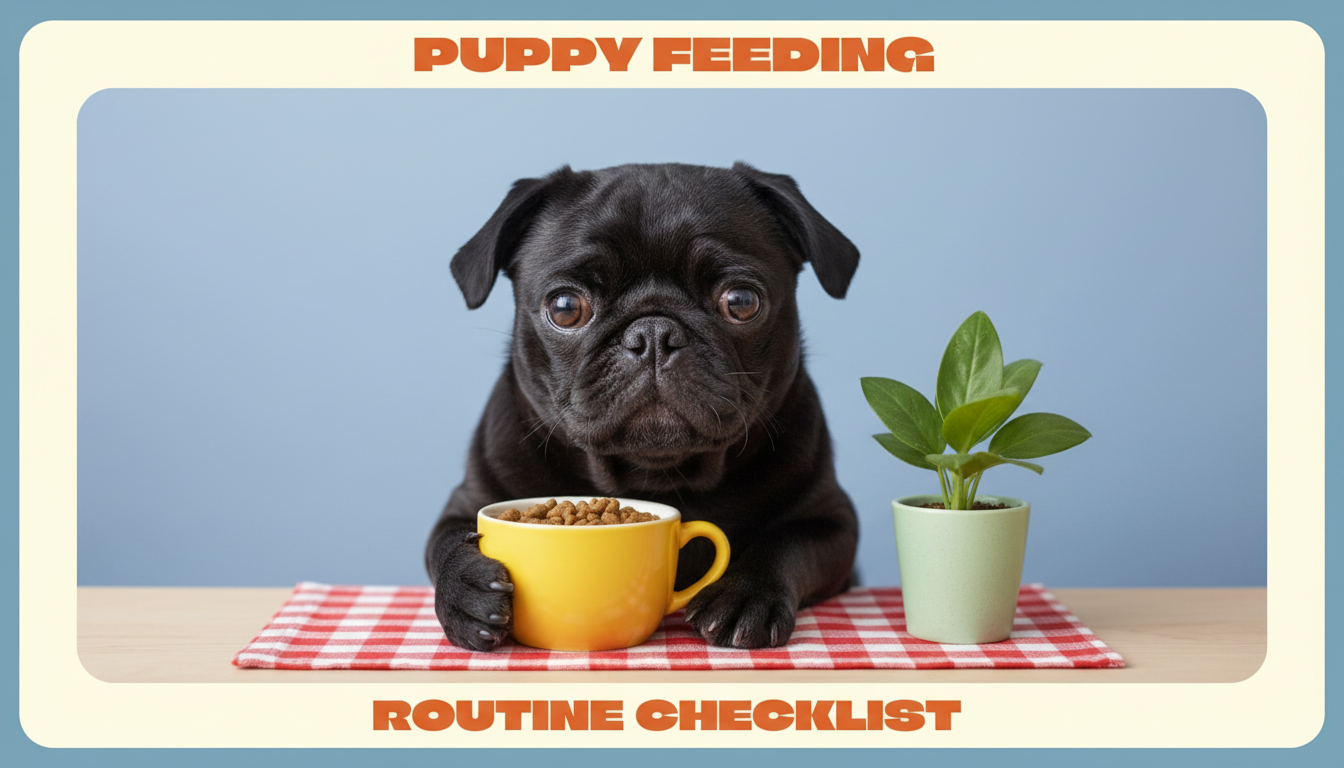
Puppy Feeding Routine Checklist: A Simple Daily Plan New Dog Owners Can Follow
A consistent feeding routine supports digestion, housetraining, and calm behavior—especially during the first weeks at home. A predictable plan also makes it easier to notice when something changes (like appetite, stool quality, or energy). Below is a practical schedule to start with, plus a printable-style daily checklist and simple steps to teach your puppy to eat on cue and settle after meals.
To help you manage this effectively, here is a useful Puppy Feeding Routine Checklist that you can reference daily.
What a “good routine” looks like in real life
- Same mealtimes every day: predictable timing helps regulate appetite and bathroom habits.
- Measured portions: avoid accidental overfeeding and make stool quality easier to monitor.
- Short, calm mealtime window: put food down for 10–15 minutes, then pick it up.
- Fresh water access: available most of the day; adjust around bedtime and veterinarian guidance.
- Post-meal plan: a brief potty break, then calm time to prevent rough play right after eating.
- One primary feeder and one written plan: reduces mixed signals in multi-person households.
If you’re choosing a food or evaluating whether a diet is appropriate for growth, the WSAVA Global Nutrition Toolkit offers practical guidance on what to look for from reputable manufacturers.
Daily feeding schedule by age (starting point)
- 8–12 weeks: typically 3–4 meals/day; keep gaps shorter to prevent cranky, overtired behavior.
- 3–6 months: typically 3 meals/day; keep portions consistent and adjust slowly as growth changes.
- 6–12 months: many puppies move to 2 meals/day; large breeds may benefit from a slower transition.
- Treats count as calories: reserve a portion of daily kibble for training rewards.
- Food bag guidelines are a starting point: adjust based on body condition and veterinarian advice.
- If vomiting, diarrhea, or refusal to eat persists: contact a veterinarian promptly.
Sample schedule (adjust to your household and vet guidance)
| Puppy age | Meals/day | Example times | Notes |
|---|---|---|---|
| 8–12 weeks | 3–4 | 7:00, 11:30, 4:30, 8:30 | Short mealtime window; extra potty breaks after meals |
| 3–6 months | 3 | 7:00, 12:30, 6:00 | Use part of lunch portion for training sessions |
| 6–12 months | 2–3 | 7:00, 6:00 (optional 1:00) | Transition gradually; keep evenings calm after dinner |
For additional feeding and nutrition basics as your puppy matures, the American Kennel Club’s puppy nutrition resources are a helpful reference point to discuss with your veterinarian.
The Puppy Feeding Routine Checklist suggests that you should monitor your puppy’s eating habits closely.
Printable-style feeding routine checklist (morning to bedtime)
- Morning: measure breakfast; refresh water; quick potty break after eating.
- Midday: scheduled meal (or training portion); short walk or play before eating, calm time after.
- Evening: measure dinner; reduce intense play right after meals; final potty routine later.
- Training: log treats used; swap to kibble for easy cues (sit, down, name response).
- Monitoring: note appetite, stool quality, and any vomiting/itching that could signal intolerance.
- Household consistency: write down who fed, what amount, and when to prevent double-feeding.
Daily quick-check table (copy into notes or print)
| Time | Task | Done? | Notes (appetite/stool/behavior) |
|---|---|---|---|
| AM | Breakfast measured + water refreshed + potty break | □ | |
| Midday | Lunch (or training portion) + potty break + calm time | □ | |
| PM | Dinner measured + potty break + quiet settle time | □ | |
| Bedtime | Final potty + water check (per vet guidance) | □ |
How to teach the routine (so the puppy actually follows it)
- Create a calm eating spot: use the same location, away from door traffic and other pets when possible.
- Use a simple cue: say “Breakfast” or “Eat” once, then place the bowl down.
- Set a timer: after 10–15 minutes, pick up the bowl without fuss to build structure.
- Reward calm behavior: praise (or a tiny treat) when your puppy sits and waits politely for the bowl.
- Prevent resource guarding early on: practice trade games (treat for a toy) and avoid suddenly grabbing the bowl.
- Practice “settle” after meals: leash your puppy nearby or offer a safe chew, then quiet downtime.
Keep the first week simple: same bowl, same location, same order of events (eat → potty → settle). Puppies learn the pattern quickly when the sequence stays predictable.
Portions, treats, and growth: keeping feeding simple
Common routine problems and quick fixes
Consider utilizing a Puppy Feeding Routine Checklist to maintain consistency.
If you’re ever unsure whether a change is “routine adjustment” or a medical concern, the American Veterinary Medical Association (AVMA) pet care resources are a solid starting point—then follow up with your veterinarian when symptoms persist or worsen.
A ready-to-use checklist you can download and print
Use the Puppy Feeding Routine Checklist to ensure you stick to the schedule.
- Puppy Feeding Routine Checklist (digital download) — a simple daily plan to track meals, water refresh, potty breaks, and notes.
- Healthy Paws, Happy Life: Pet Weight Tracking Guide — useful for weekly weigh-ins and body condition checks to confirm your feeding plan is working.
- Cozy Travel Pet Carrier — helpful for vet visits and travel days when you’re keeping meals on schedule away from home.
The Puppy Feeding Routine Checklist encourages structured mealtimes to improve digestion.
FAQ
How long should food be left out for a puppy?
Typically 10–15 minutes per meal, then pick it up to discourage grazing and help predict potty timing. If your puppy repeatedly skips meals or seems unwell, contact a veterinarian.
When can a puppy switch from three meals a day to two?
Many puppies transition around 6 months, but breed size and individual needs matter. Make the change gradually and confirm timing with your veterinarian, especially for large-breed puppies.
Should treats be counted as part of a puppy’s daily food?
Yes—treats add calories. Reserve part of the daily kibble for training or keep treat calories limited so meals stay balanced.









Leave a comment