Wet vs Dry Dog Food: Checklist for Smarter Feeding
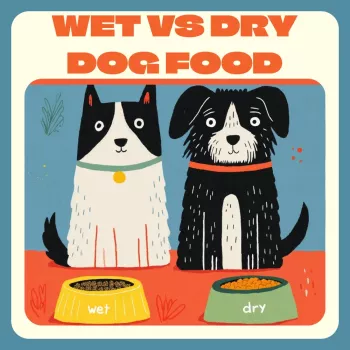
Wet vs Dry Dog Food: A Practical Checklist for Confident Feeding Choices
Choosing between wet and dry dog food often comes down to hydration, calories, dental needs, budget, and what a dog will actually eat consistently. A simple checklist makes comparisons clearer and helps keep feeding changes steady—especially for puppies, picky eaters, and dogs with sensitive stomachs. Use the guide below to compare options, plan a transition, and track results without guesswork.
Start with the basics: what “wet” and “dry” really mean
- Wet food (cans, trays, pouches) is typically higher in moisture and aroma, often easier to chew, and usually more expensive per calorie.
- Dry food (kibble) is lower in moisture, convenient to portion and store, and often more cost-effective per calorie.
- Either format can be nutritionally complete when the label states it meets recognized standards for your dog’s life stage (for example, AAFCO in the U.S.).
- The “best” choice is the one that fits your dog’s needs, your household routine, and what you can monitor consistently.
Quick comparison checklist
- Hydration: wet food adds water intake; dry food may need extra water access or added moisture.
- Palatability: wet tends to be more enticing; dry can work well with toppers or a splash of warm water.
- Calories and portions: compare calories per cup/can/gram; measure portions to avoid gradual weight gain.
- Dental considerations: kibble may help with mild plaque control for some dogs, but it isn’t dental care. Consider VOHC-accepted dental products when appropriate.
- Digestive tolerance: watch stool quality and gas during any change; introduce new foods gradually.
- Convenience: dry is easy for travel and timed feeders; wet needs refrigeration after opening and more frequent bowl cleaning.
- Budget: compare cost per 100 kcal (not cost per bag/can) for a fair match.
Wet vs Dry Dog Food Checklist (at-a-glance)
| Decision factor | Wet food tends to support | Dry food tends to support | Notes to check |
|---|---|---|---|
| Water intake | More moisture in each meal | Requires separate water intake | Ideal for dogs that drink little (vet guidance recommended for medical conditions) |
| Appetite | Stronger aroma and texture variety | Consistent crunch, easy to mix with toppers | If picky, test small sizes and track acceptance for 7–10 days |
| Weight management | Can be lower calorie density, but varies widely | Easy to over-pour if not measured | Compare kcal per serving and weigh portions for accuracy |
| Budget & storage | Higher cost per calorie, shorter fridge life after opening | Often lower cost per calorie, long shelf life | Calculate cost per 100 kcal; check best-by dates |
| Teeth & oral care | Soft texture for dental pain recovery | Some kibble textures may reduce plaque modestly | Brush teeth and ask about VOHC products for true dental support |
| Mess & routine | More bowl cleaning; can spoil if left out | Good for feeders, training kibble, and travel | Discard wet food left out per label guidance; keep bowls sanitized |
When wet food is often the better fit
- Dogs that struggle to stay hydrated (with veterinary oversight when kidney, urinary, or heart conditions are involved).
- Dogs with reduced appetite, post-illness recovery, or those needing higher meal appeal.
- Senior dogs or dogs with missing teeth who prefer softer textures.
- Households that can refrigerate portions and clean bowls promptly to prevent spoilage and odor.
When dry food is often the better fit
Mixed feeding: combining wet and dry without confusion
Puppy feeding tips that prevent common mistakes
Simple tracking and “AI-ready” notes for smarter decisions
For a structured way to record trends over time, pair your notes with the Healthy Paws, Happy Life | AI Pet Weight Tracking Guide for Smart Pet Owners | Digital Download eBook for Cat & Dog Health Monitoring.
Printable checklist: what to confirm before committing to a food
- Life stage statement: puppy, adult maintenance, senior, or all life stages.
- Complete-and-balanced claim: meets AAFCO nutrient profiles or feeding trials (or an equivalent regional standard). The WSAVA Global Nutrition Guidelines can also help frame smart questions to ask brands.
- Calories listed clearly: kcal per can/cup/100g and realistic serving guidance for the dog’s current weight and activity.
- Ingredient priorities: identify primary protein, fat source, and fiber; note any known sensitivities.
- Practical fit: storage space, feeding schedule, travel needs, and cost per 100 kcal.
- Transition plan: a 7–10 day gradual change with clear “pause and reassess” rules if symptoms worsen.
If you want a ready-to-use, printable version to keep on the fridge (and a digital copy for your phone), use the Wet vs Dry Dog Food Checklist | Printable Pet Nutrition Guide | Digital Download for Dog Owners, Pet Parents & Animal Lovers | Puppy Feeding Tips & AI Dog Diet Optimization.
For dogs who eat on the go, a consistent routine helps prevent skipped meals and upset stomachs—especially during trips. The Cozy Travel Pet Carrier makes it easier to keep feeding supplies together and stick to normal timing.
FAQ
Is wet food healthier than dry food for dogs?
Either wet or dry food can be healthy if it’s complete and balanced for your dog’s life stage. Wet food often supports hydration and appetite, while dry food can be more convenient and cost-effective per calorie; the right choice depends on your dog’s medical needs, digestion, and body condition.
Can a dog eat both wet and dry food every day?
Yes, mixed feeding is fine as long as total daily calories are consistent and portions are measured. Track stool quality and body condition for a few weeks after changes, and adjust amounts rather than frequently switching foods.
How fast can a dog switch from dry food to wet food (or vice versa)?
A gradual 7–10 day transition is a practical baseline, and sensitive stomachs may need even longer. If you see repeated vomiting, watery diarrhea, lethargy, or refusal to eat, pause the transition and contact your veterinarian.










Leave a comment