Cat Brushing Routine: How Often to Brush + Tools
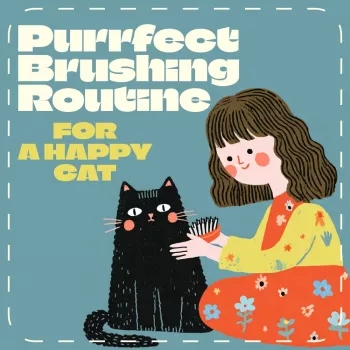
The Purrfect Brushing Routine for a Happy Cat
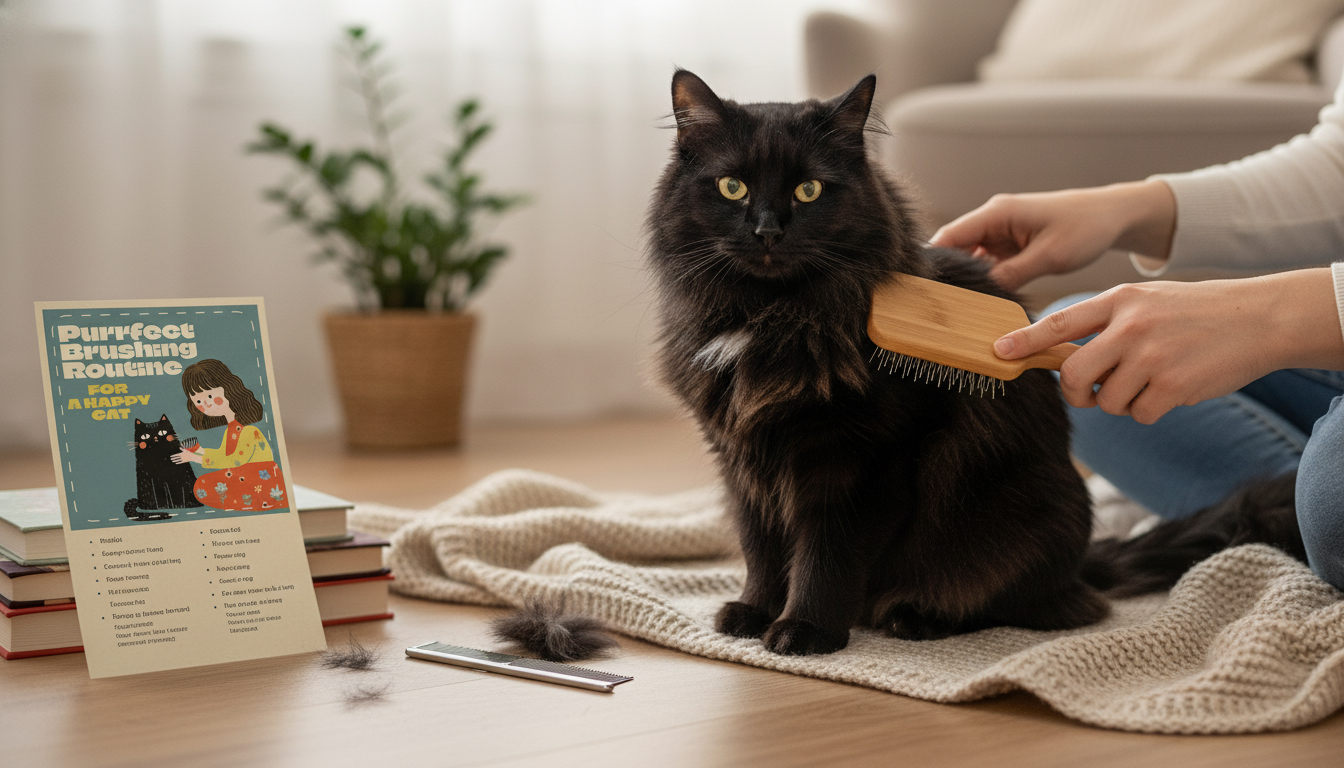
A consistent brushing routine reduces shedding, helps prevent mats, supports healthier skin and coat, and turns grooming into a calm bonding habit. The key is matching brush type and frequency to coat length, lifestyle, and your cat’s comfort—then sticking to a simple checklist that makes it easy to stay on track.
Why brushing matters (even for cats that self-groom)
Cats are excellent self-groomers, but a brush adds benefits they can’t always achieve on their own—especially during seasonal shedding or when mobility is limited.
- Removes loose fur to cut down on hairballs and tumbleweeds around the home
- Distributes natural oils for a shinier coat and less dry, flaky skin
- Helps spot early issues: fleas, dandruff, bumps, wounds, or tender areas
- Prevents mats that can pull the skin and become painful—especially in long-haired cats
- Builds handling tolerance for nail trims, vet visits, carriers, and medications
For more grooming fundamentals, the ASPCA’s cat grooming tips are a helpful reference, and for hairball concerns, see VCA’s overview on hairballs in cats.
How often to brush a cat: a practical schedule by coat type
The “right” schedule is the one you can repeat without drama. Aim for short sessions that end before your cat gets annoyed, then increase frequency during shedding season.
- Short-haired cats: aim for 1–2 times per week; increase during seasonal shedding
- Medium-haired cats: 2–4 times per week, focusing on friction zones (armpits, belly, behind ears)
- Long-haired cats: daily or near-daily light sessions to prevent knots and mats
- Kittens and seniors: keep sessions short (1–3 minutes) and frequent to build comfort and avoid fatigue
- Cats with obesity, arthritis, or limited mobility: increase frequency because self-grooming may be reduced
Brushing frequency and focus areas
| Coat type | Baseline frequency | During heavy shedding | High-tangle zones to check |
|---|---|---|---|
| Short-haired | 1–2× weekly | 3–4× weekly | Base of tail, chest, lower back |
| Medium-haired | 2–4× weekly | 4–6× weekly | Behind ears, under collar, armpits |
| Long-haired | Daily (5–10 min) | Daily (split into 2 short sessions) | Belly, armpits, rear end, behind ears |
| Curly/dense undercoat | 3–5× weekly | Daily (short sessions) | Neck ruff, thighs, along spine |
Choose the right tools for your cat’s coat and comfort
Tools matter because the wrong brush can feel scratchy, tuggy, or overstimulating. When in doubt, start gentler than you think you need, then level up only if your cat stays relaxed.
- Slicker brush: good for removing loose fur and gently addressing light tangles (use light pressure)
- Metal comb: essential for medium/long coats; comb to the skin to find hidden knots
- Deshedding tool: useful for heavy undercoats; use sparingly to avoid skin irritation
- Rubber curry/grooming glove: ideal for sensitive cats and short coats; helps with bonding and loose fur
- Mat splitter or dematting comb: for small, stubborn mats only; avoid pulling and stop if the skin is tight or irritated
- Optional add-ons: grooming spray (cat-safe), styptic powder for nail trims, treats for positive reinforcement
The calm, repeatable routine (5–10 minutes)
Consistency beats intensity. A light, predictable session teaches your cat what to expect and reduces the chances of “brush = battle.”
- Set the scene: quiet room, non-slip surface, brush within reach, and a few small treats
- Start with “easy zones”: head, cheeks, and shoulders to build relaxation
- Work with the coat: long, gentle strokes in the direction of hair growth; avoid sawing motions
- Use a layer-by-layer approach for longer coats: lift the topcoat and brush/comb the undercoat in small sections
- Finish with a quick comb-check in friction zones: catch early tangles before they tighten
- End on a win: one treat, brief praise, and stop before your cat gets overstimulated
A simple weekly checklist that keeps mats and shedding under control
When brushing is “whenever I remember,” mats often show up first in the same places. A small routine makes those trouble spots easy to catch early.
If you like having everything in one place, the Printable Cat Grooming Checklist: The Purrfect Brushing Routine for a Happy Cat is a simple one-page tracker you can keep near your brushing station.
How to handle mats safely (and when to see a groomer or vet)
If you’re noticing sudden coat or skin changes alongside grooming struggles, it can also help to scan trustworthy veterinary resources like the Cornell Feline Health Center for related health topics to discuss with your clinic.
Make brushing easier for cats that hate being groomed
Two helpful add-ons for a smoother care routine
- The Purrfect Brushing Routine for a Happy Cat | Printable Cat Grooming Checklist (digital download) for staying consistent across weeks and shedding seasons.
- Healthy Paws, Happy Life: Pet Weight Tracking Guide (digital download) to help monitor weight trends—useful because weight changes can impact self-grooming and coat condition.
- Cozy Travel Pet Carrier for calmer transport when a groomer or vet visit is the safest option for mats or skin concerns.
FAQ
Can you brush a cat too much?
Yes—over-brushing or using too much pressure can irritate skin and damage the coat. Keep sessions gentle, stop if the skin looks pink or your cat shows discomfort, and use deshedding tools sparingly.
What’s the best time of day to brush a cat?
Pick a naturally calm window, often after a meal or playtime, and try to keep the timing consistent. Predictable routines usually feel safer and reduce resistance.
How do you brush a cat with a thick undercoat?
Start with a slicker or grooming glove to lift surface fur, then follow with a metal comb in small sections down to the skin. Focus on high-tangle zones and avoid repeated heavy passes on the same spot.










Leave a comment